%20(1)%20Final%20New%20color.png)
How To Choose The Right Boat Window Cleaner In 2026 (Without Scratching)


Salt, sunscreen oils, and airborne grit are a perfect recipe for scratched boat windows, especially in Florida where year-round boating means year-round buildup. A recent consumer survey found 35% of boat owners report ongoing visibility issues from hazing or streaking on marine glass or plastics. Meanwhile, coastal monitoring continues to show salt aerosol and particulate deposition rise with wind and boat traffic, increasing the “grit load” that turns routine wiping into micro-scratching.
This guide breaks down exactly how to choose a boat window cleaner that cuts salt residue, dries streak-free, and protects glass, acrylic, and polycarbonate without damage. You will learn ingredient red flags, safer tools and techniques, and what has changed in 2026 with coatings, regulations, and product formulations.
Why boat windows scratch so easily (and why Florida makes it worse)
Most “scratches” on boat windows are not dramatic gouges. They are micro-abrasions that accumulate until you notice haze in low-angle sun or at night under dock lighting. The main culprit is simple: wiping hard particles across the surface. In coastal Florida, salt spray dries into sharp crystals, and sand or soot from marina traffic can stick to oily films from sunscreen and exhaust.
Glass vs acrylic vs polycarbonate: different risk profiles
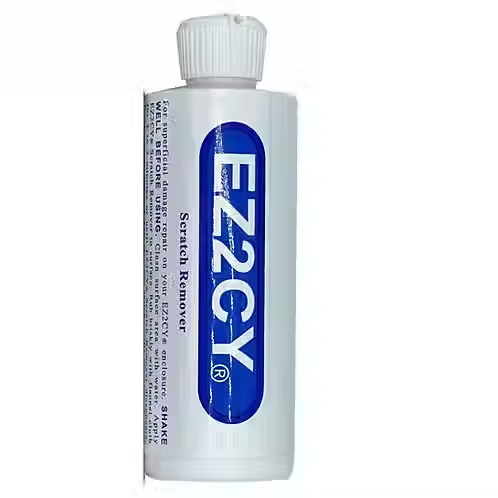
Tempered glass is relatively hard, but it still scratches when contaminated towels drag grit. Acrylic (PMMA) and polycarbonate (PC) are much softer than glass and can haze quickly if you use the wrong cleaner or cloth. Many boats mix materials, such as glass windshields with acrylic enclosure panels, which is why “one cleaner for everything” often fails. Using products specifically designed for marine enclosure panels, such as the EZ2CY Scratch Remover, can help maintain clarity and reduce surface haze over time.
The hidden enemy: dry wiping and “quick touch-ups”
Dry wiping is the fastest path to scratches. Even “just a quick wipe” can grind salt crystals into plastic glazing. The safer rule is to float contaminants off with water or a lubricating cleaner before any contact, then use a clean microfiber with minimal pressure.
What a safe boat window cleaner must do (the functional checklist)
Choosing the right boat window cleaner is less about brand names and more about performance requirements. Marine windows face salt, mineral spotting, organic oils, and sometimes mildew film. A cleaner that only handles fingerprints will leave salt residue behind, causing streaks and future etching.
Compatibility rules that prevent expensive damage
If you have any plastic glazing, prioritize products labeled safe for acrylic and polycarbonate. Polycarbonate is especially sensitive to certain solvents and high-pH cleaners. Also confirm compatibility with aftermarket coatings like ceramic glass coatings, hydrophobic sealants, and anti-fog films. Coated surfaces often need pH-neutral products to maintain performance.
Ingredient and formulation guide (what to look for, what to avoid)
In 2026, formulations have shifted toward lower-VOC solvents and safer surfactant packages, partly due to tighter state-level VOC compliance and retailer preference for “safer choice” style labeling. That is good for users, but it can increase the need for proper dwell time on salt and mineral films.
Can you use Windex on boat windows?
It depends on the window material and any film or coating. Traditional household glass cleaners can be fine on uncoated glass in a pinch, but they are a frequent mismatch for acrylic, polycarbonate, and tinted or coated surfaces. If your enclosure or windshield includes plastics, choose a marine-labeled or plastic-safe cleaner to reduce the risk of haze and micro-crazing.
Comparison table: choosing the best cleaner for boat glass and marine plastics
Use this table to match product type to your situation. The “best” option is the one that fits your window material, soil type, and whether you are maintaining a coating.
Cleaner type | Best for | Avoid if | Notes for Florida boats |
Marine glass cleaner (streak-free, solvent-lean) | Tempered glass windshields, routine film removal | You have acrylic/PC panels and the label is glass-only | Works well in humidity if you use two-towel method to prevent streaking |
Plastic-safe cleaner (acrylic/PC) | Enclosures, isinglass alternatives, instrument covers | You need heavy mineral deposit removal | Pair with a polymer protectant for UV and salt re-soiling resistance |
Rinseless wash or waterless wash (high lubrication) | Light dust and salt haze when you cannot hose down | Windows are visibly gritty or sandy | Excellent for dockside touch-ups, but pre-rinse if grit is present |
Hard-water spot remover (acidic) | Mineral spotting on glass only | Acrylic/PC, damaged coatings, or unknown tint films | Use sparingly; follow with a neutral cleaner and protectant |
Step-by-step: how to clean boat windows safely and remove salt residue
This process is designed to prevent scratches first, then optimize clarity. It also reflects a key best practice from detailing standards: reduce friction by increasing lubrication and using clean media. The International Carwash Association has repeatedly noted that improper media and contamination are leading causes of surface marring in wash processes (International Carwash Association, 2022), and the same physics applies on boats.
Common boat window cleaning mistakes (that cause scratches and streaks)
Most boat window cleaning mistakes come from rushing, using multipurpose products, or reusing contaminated towels. These errors compound over time and lead to permanent haze that requires polishing, and plastic polishing is easy to do wrong. Following a proper boat cleaning supplies checklist can help prevent avoidable damage and keep marine enclosure panels clearer for longer.
Practical “scratch prevention” habit that pays off
Adopt a color-coded towel system. For example, blue towels for glass, green towels for plastics, and gray towels for everything else. This simple process control, used by professional detailers and boatyards, reduces cross-contamination and is often the difference between clear windows and chronic haze.
What’s changing in 2026: coatings, regulations, and smarter maintenance
In 2026, boaters are benefiting from better surface protection options, but those options also require more precise cleaner selection. Hydrophobic coatings have moved from “luxury detailing” to mainstream maintenance, and more owners expect easy rinse behavior and fewer water spots.
Coatings are more common, and the wrong cleaner shortens their life
Ceramic and silica-based glass coatings can improve water behavior and reduce adhesion of salt film. However, aggressive cleaners can degrade coating performance faster, which shows up as reduced beading and more streaking. For coated surfaces, favor pH-neutral cleaners and periodic coating “boosters” designed for marine environments.
Lower-VOC and “safer” formulas are now mainstream
Retail and marina stores increasingly stock lower-VOC products, and several coastal regions have tightened VOC expectations in consumer chemical categories over the last few years. The tradeoff is that you may need slightly longer dwell time and better towels to achieve the same streak-free results that older solvent-heavy formulas produced.
Data point: why visibility and safety are being prioritized
Boating safety data continues to emphasize the role of operator awareness and conditions. The U.S. Coast Guard reports operator inattention and improper lookout remain leading contributing factors in accidents (U.S. Coast Guard, 2023). Clear windows do not replace safe operation, but they reduce avoidable visual impairment during glare, rain, and night navigation. Using the best-rated boat enclosure plastic cleaner can also help maintain visibility and preserve optical clarity over time.

Product selection framework: how to pick your boat window cleaner in 3 minutes
If you want a fast decision, use this framework. It prevents the most common mismatch: buying a glass product for plastic, or buying a plastic-safe product that cannot break down mineral spotting.
Step 1: identify your window material
Step 2: identify the soil type
Step 3: match to your environment and workflow
In Florida heat, avoid cleaning in direct sun when possible. Heat accelerates evaporation and creates streaking, especially on large windshields. If you must clean in sun, work smaller sections and buff immediately with a second towel.
Conclusion: choose clarity, then protect it
Picking the right boat window cleaner is really about matching chemistry to material, then using a low-friction process that keeps grit off the surface. In Florida, where salt haze is a constant, the goal is to clean more gently, not more aggressively.
If you want a simple next step, audit your windows today: identify which panels are glass vs plastic, retire any questionable towels, and choose one dedicated cleaner for each surface type. For Florida boaters, that small setup change usually delivers the biggest improvement in visibility with the lowest risk of scratching. Following proper care methods recommended by EZ2CY supports longer-lasting clarity and durability for marine enclosure panels.
Frequently asked questions
What is the safest boat window cleaner for acrylic or polycarbonate?
Choose a plastic-safe marine cleaner specifically labeled for acrylic and polycarbonate. Avoid abrasive “clean and polish” products unless you are intentionally polishing and understand the risk. Pairing a plastic protectant helps reduce salt adhesion and frequent wiping.
How do I get a streak-free marine cleaner finish in Florida humidity?
Use the two-towel method: one towel to clean, one towel to buff dry. Work in smaller sections and avoid direct midday sun. Streaking often comes from evaporation happening before you level the film.
How can I do salt residue removal on boat windows without scratching?
Pre-rinse or pre-mist with water and let it dwell before wiping. Use a high-lubricity cleaner and a clean microfiber with very light pressure. If you feel dragging, stop and re-wet instead of scrubbing.
Can you use Windex on boat windows?
You can use it on plain glass in a pinch, but it is not a universal choice for boats. If your windows are acrylic, polycarbonate, tinted, or coated, a plastic-safe or coating-friendly marine product is a safer long-term option. Always spot-test if you are unsure.
What is the best cleaner for boat glass with hard-water spots?
For glass, a targeted water-spot remover can work well, but it is typically acidic and should not be used on plastics. Use it sparingly, follow label directions, then maintain with a pH-neutral glass cleaner and a protective coating to reduce repeat spotting.
How often should I clean boat windows in saltwater conditions?
In active saltwater use, a light rinse and wipe-down after each outing reduces salt crystal buildup and lowers scratch risk. Do a deeper clean weekly or biweekly depending on exposure and storage. Covered storage usually reduces frequency.
What towels should I use to clean boat windows safely?
Use high-quality microfiber towels dedicated only to windows and plastics. Avoid paper towels and any rag that has touched decks, metal polish, or gritty areas. Wash towels without fabric softener, which reduces absorbency and can cause streaks.
What are the most common boat window cleaning mistakes?
The biggest mistakes are dry wiping, using contaminated towels, and using glass-only products on plastic enclosures. Another common issue is cleaning in direct sun without immediate buffing. Each one increases scratching or streaking over time.
Should I apply a coating or sealant to my boat windows in 2026?
For glass, hydrophobic coatings can reduce water spotting and make routine cleaning faster. For plastics, use only protectants designed for acrylic or polycarbonate to avoid haze. The key is to maintain the coating with compatible, mild cleaners.
How do I know if my boat windows are glass or plastic?
Check the boat documentation, panel markings, or manufacturer specs, especially for enclosures. As a quick clue, plastics feel warmer to the touch than glass and may flex slightly. When uncertain, treat it as plastic and use a plastic-safe cleaner.


Comments