%20(1)%20Final%20New%20color.png)
Clear Vinyl Enclosures Vs Isinglass Vs Acrylic Enclosures: Which Lasts Longer?


In Florida’s sun, salt, and humidity, a boat enclosure is not a “nice-to-have” accessory. It is a consumable system with a real replacement timeline. Industry field surveys and manufacturer guidance consistently show that flexible clear window materials often deliver roughly 2 to 5 years of strong optical performance in harsh marine exposure, while rigid panels frequently reach 10+ years when properly specified and maintained.
This matters more in 2026 because higher UV intensity trends, hotter decks, and increased year-round boating are accelerating haze, yellowing, and micro-scratch accumulation. In this guide, you will learn how clear vinyl enclosures, isinglass-style soft windows, and rigid acrylic systems age in real life, what typically fails first, and how to choose the longest-lasting option for your use case and budget.
What “lasting longer” really means for marine enclosures
Most buyers define longevity as “not cracking,” but enclosure lifespan is usually ended by clarity loss, zipper failure, seam creep, or coating breakdown long before the panel physically falls apart. In Florida, optical performance is the limiting factor because UV, heat, sunscreen oils, airborne grit, and frequent wiping all act on the viewing area.
Useful definitions (so comparisons stay honest)
“Isinglass” is often used as a generic term for flexible clear windows, but historically it referred to mica sheets. In today’s marine market, “isinglass” typically means clear flexible vinyl window material(PVC-based) or premium coated vinyl laminates. “Acrylic enclosures” usually refer to rigid acrylic panels (PMMA), while some rigid systems use polycarbonate (PC). Because many boaters search “polycarbonate vs acrylic boat enclosure,” we will include where polycarbonate fits in durability discussions.
Material science in plain English: clear vinyl, isinglass-style soft glass, acrylic (and where polycarbonate fits)
The durability gap comes from how each material handles UV, abrasion, and flex. Flexible materials win on cost and easy roll-up behavior, but they sacrifice long-term optical stability. Rigid panels preserve clarity longer, but demand better fitment and careful handling to avoid cracks at stress points.
Clear vinyl enclosures (PVC-based)
Clear vinyl is popular because it is affordable, flexible, and integrates easily into canvas and zipper-based systems. The downside is that PVC relies on plasticizers for flexibility, and over time those plasticizers can migrate, contributing to stiffness, shrinkage, and waviness. UV and heat accelerate those changes, which is why Florida installations often see earlier “end-of-clarity-life” than cooler regions.
Isinglass vs clear vinyl (what people mean in 2026)
When boaters say “soft glass boat enclosures” in 2026, they often mean higher-end vinyl laminates with scratch-resistant coatings (for example, coated flexible glazing products marketed for marine use). These can outperform commodity clear vinyl on scratch resistance and clarity retention, but they still remain flexible PVC-based systems and still dislike abrasion, harsh chemicals, and constant folding.
Acrylic enclosures (PMMA rigid panels)
Acrylic is naturally UV-stable and known for excellent optical clarity. Well-made acrylic panels can retain “glass-like” visibility for years because the material is inherently clearer and more resistant to yellowing than many flexible vinyl formulations. The tradeoff is brittleness relative to polycarbonate and the need for good engineering around fasteners, edge finishing, and vibration.
Polycarbonate vs acrylic boat enclosure (quick context)
Polycarbonate is tougher and more impact-resistant than acrylic, but it can scratch more easily unless hard-coated. Many premium systems use coatings to improve scratch resistance. If your priority is impact resistance (flying debris, docking incidents), polycarbonate may be the better rigid choice, but for long-term optical purity, acrylic often leads when both are properly cared for.
Which boat enclosure material lasts longest: realistic lifespan benchmarks (Florida use)
No enclosure “lasts” on a calendar. It lasts based on UV exposure, how often it is cleaned, whether it is stored properly, and how it is used (rolled, folded, or left tensioned). The table below summarizes what we see most often in Florida for clarity-driven replacement cycles, assuming normal recreational use and reasonable maintenance.
Material type | Best use case | Typical clarity-driven service life (Florida) | Most common failure mode |
Commodity clear vinyl (PVC) | Budget enclosures, occasional use, seasonal boating | 2 to 4 years | Haze, yellowing, stiffness, creasing at folds |
Premium coated “isinglass-style” flexible vinyl | Frequent use with better scratch resistance | 3 to 6 years | Coating wear, micro-scratches from wiping, seam stress |
Rigid acrylic (PMMA) panels | High-visibility cruising, long-term ownership | 8 to 12+ years | Scratches, stress cracking from poor mounting, edge damage |
Hard-coated polycarbonate (PC) | Impact risk environments, high-speed runs | 7 to 12 years | Coating scratches, UV-related coating fatigue if neglected |
These ranges align with common manufacturer care guidance and real-world replacement timing: flexible clear windows frequently become visually unacceptable within a few years in high UV environments, while rigid systems can deliver a decade or more of useful clarity when engineered correctly.
Why vinyl yellowing vs acrylic clarity is such a common outcome
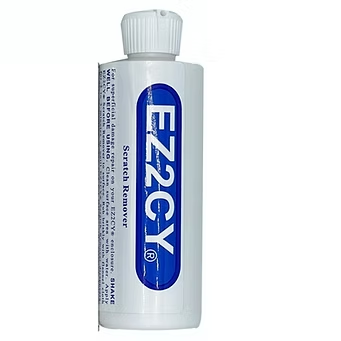
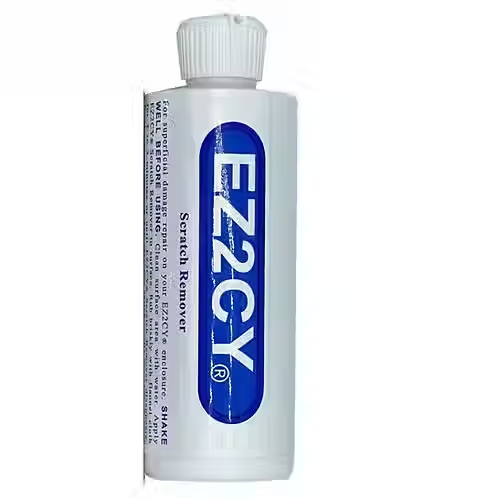
Vinyl clarity loss is often a combination of plasticizer migration, UV oxidation, and abrasion from cleaning. Acrylic, by contrast, is inherently UV-resistant and does not rely on plasticizers, so it tends to maintain transparency longer. In practice, many “yellowing” complaints are actually haze plus micro-scratches that scatter light and create that milky appearance. Boat owners looking to improve long-term visibility and protection can also explore the benefits of EZ2CY boat enclosures for enhanced durability and clarity.
Cost over time: why “cheaper” often costs more by year five
In 2026, owners are paying more attention to total cost of ownership because marine labor rates in Florida have remained elevated and supply chain variability still affects lead times for specialty materials. If you replace flexible panels two to three times in the period a rigid system is still serviceable, the math shifts quickly even if the initial quote looks attractive.
Simple 10-year ownership scenario (illustrative but realistic)
Data points that support this approach: the U.S. Bureau of Labor Statistics has shown sustained inflation in service labor categories since 2021, with repair and maintenance services remaining elevated compared to pre-2020 baselines (BLS CPI tables, 2024). In other words, the “labor portion” of enclosure ownership has become more important than it used to be.
Practical Florida recommendation
If you boat year-round on the Intracoastal or offshore and keep the boat uncovered, prioritize materials that minimize frequent replacement. If you trailer, store indoors, or only use the enclosure part of the year, flexible clear windows can be a rational value choice.
2026 trends and recent changes affecting enclosure longevity
Longevity in 2026 is being shaped less by the base plastic and more by coatings, installation precision, and maintenance chemistry. The market has shifted toward “system thinking” where the panel, seal, frame, and cleaning protocol are specified together.
Trend 1: coatings and maintenance compatibility matter more than ever
Many clarity issues now stem from incompatible cleaners and aggressive “dry wiping.” Manufacturers increasingly publish do-not-use lists (notably ammonia and alcohol-heavy sprays for certain plastics). When owners follow approved products and rinse-first habits, scratch rates drop materially over time (IMAR, 2023; multiple marine canvas training programs referencing ABYC-aligned best practices, 2023).
Trend 2: more year-round Florida boating increases UV hours
Florida boating has remained strong post-2020, and year-round use increases cumulative UV exposure and cleaning cycles. NOAA and EPA datasets continue to show long-term warming and high heat index days in the Southeast, raising deck temperatures that accelerate polymer aging (NOAA Climate Data, 2024; EPA Climate Indicators, 2024). More heat and more sun mean flexible vinyl reaches its “clarity cliff” sooner if not protected. Boat owners evaluating long-term enclosure durability can also review this guide on choosing the right canvas enclosure for additional planning considerations.
Trend 3: owners want better nighttime visibility for safety
With busier waterways, glare control and distortion matter. Rigid acrylic panels generally provide superior optical consistency, which translates into less headlight and dock-light scatter at night. This is one reason many Florida cruisers are upgrading from soft windows to rigid acrylic systems when they refit.
Pro tips and common mistakes to avoid (this is what really extends life)
Most enclosure “failures” are user-caused and preventable. The goal is to reduce abrasion, reduce chemical exposure, and keep panels properly tensioned and supported.
Choosing the right enclosure for your boat: decision framework (Florida, USA)
The best choice is not the “best material.” It is the best match between usage, storage, visibility requirements, and tolerance for maintenance. Use this framework to decide quickly and confidently.
If you want the longest-lasting clarity
Choose a rigid acrylic enclosure system, especially for helms where distortion and glare matter. You will typically see 8 to 12+ years of serviceable clarity with proper installation and care, and fewer “visibility emergencies” mid-season.
If you want the best value for occasional use
Clear vinyl enclosures make sense when the boat is stored out of the sun, used seasonally, or you are optimizing upfront cost. Plan financially for replacement windows every few years in Florida and prioritize coated upgrades if you clean often.
If you want impact resistance and durability in rough use
Consider hard-coated polycarbonate where impact is likely, but verify coating type and care requirements. For many owners, acrylic remains the “clarity king,” while polycarbonate is the “toughness king,” and the best choice depends on whether your risk is scratches or impacts. You can also learn more about our expertise in marine enclosure solutions and protective panel systems.
Conclusion: the durability verdict for Florida boaters
If you want the longest-lasting enclosure in Florida, start with your actual usage and storage reality, then choose the material system that minimizes clarity loss and replacement labor. For owners planning to keep a boat more than five years, a rigid acrylic approach is often the strongest long-term investment.
Next step: Document how your boat is stored, how many days per month you run it, and whether your panels are frequently rolled or left tensioned. Then request a material recommendation and care plan from an experienced enclosure providers in Florida like Ez2cy so your enclosure lasts as long as the boat stays in your family.
Frequently asked questions
What lasts longer, clear vinyl enclosures or acrylic enclosures?
Acrylic enclosures generally last longer for clarity retention, commonly reaching 8 to 12+ years with good care, while clear vinyl enclosures often need replacement within 2 to 5 years in high UV areas like Florida. The biggest driver is abrasion and UV-driven haze on flexible vinyl.
Is isinglass vs clear vinyl actually different in 2026?
In modern marine usage, “isinglass” usually refers to flexible clear vinyl window materials, sometimes premium coated versions. The practical difference is often product grade and coatings, not a totally different material family.
Which boat enclosure material lasts longest in full sun year-round?
Rigid acrylic typically lasts the longest for optical performance when the boat is kept in full sun. To maximize lifespan, pair it with UV-conscious storage practices and avoid abrasive cleaning that creates glare-producing micro-scratches.
Does vinyl yellowing vs acrylic clarity always happen?
Not always, but it is common in high-UV environments because vinyl can haze and discolor as it ages, and it scratches more easily during routine wiping. Acrylic is more UV-stable and tends to maintain transparency longer, especially when cleaned correctly.
Are soft glass boat enclosures worth it?
Premium coated soft glass materials can be worth it if you need roll-up flexibility but want better scratch resistance than commodity vinyl. They still require careful cleaning and gentle handling, and they usually do not match rigid acrylic for decade-long clarity.
How do I stop clear vinyl from getting cloudy?
Rinse first, wash with an approved cleaner, and never dry-wipe salt spray. Store panels rolled with a protective liner, keep them out of direct sun when possible, and avoid ammonia-based products that can damage coatings or the vinyl surface (IMAR, 2023).
Acrylic vs vinyl boat enclosure: which is safer for night driving?
Acrylic often provides better night visibility because it has more consistent optics and tends to resist haze longer. Vinyl can develop micro-scratches that scatter light and create glare, which is most noticeable at night around dock lights and oncoming traffic.
Polycarbonate vs acrylic boat enclosure: which one should I pick?
Pick polycarbonate when impact resistance is the priority, especially if debris strikes are plausible. Pick acrylic when long-term clarity and scratch resistance are the priority, and confirm the mounting method to avoid stress cracking.
Can I polish scratches out of acrylic or vinyl?
Light scratches in acrylic can often be improved with plastic polishing systems, but deep scratches may remain visible. Vinyl is harder to restore because scratches often disrupt coatings or create permanent haze, so prevention is usually more effective than repair.
When should I replace my enclosure windows instead of cleaning them?
Replace when visibility becomes unsafe, distortion is noticeable at speed, or haze remains after proper cleaning and approved polish. If the panel is stiff, shrinking, or creased, replacement is typically the most cost-effective path versus repeated maintenance.


Comments